Your Guide to Planning for Personal Space to Create Better Queues

Your Guide to Planning for Personal Space to Create Better Queues A well planned queue can be the difference between happy customers or frustrated visitors who might not return. When it comes to managing your crowds and queues, personal space is an important part not just for creating a comfortable environment, but also a safe […]
Egress Compliant: Magnetic Belt End Stanchions for Smoother Emergency Exits

If you are responsible for the safety of visitors in venues like stadiums and airports, evacuation during emergencies is one of your challenges. We have the solution: panic break belt ends. With their ability to quickly open and retract, our stanchions with either magnetic or rubber belt ends are changing the way we think about […]
Creating Comfort for Traveling Pets and Service Animals: Petcentric Innovation at Richmond International Airport
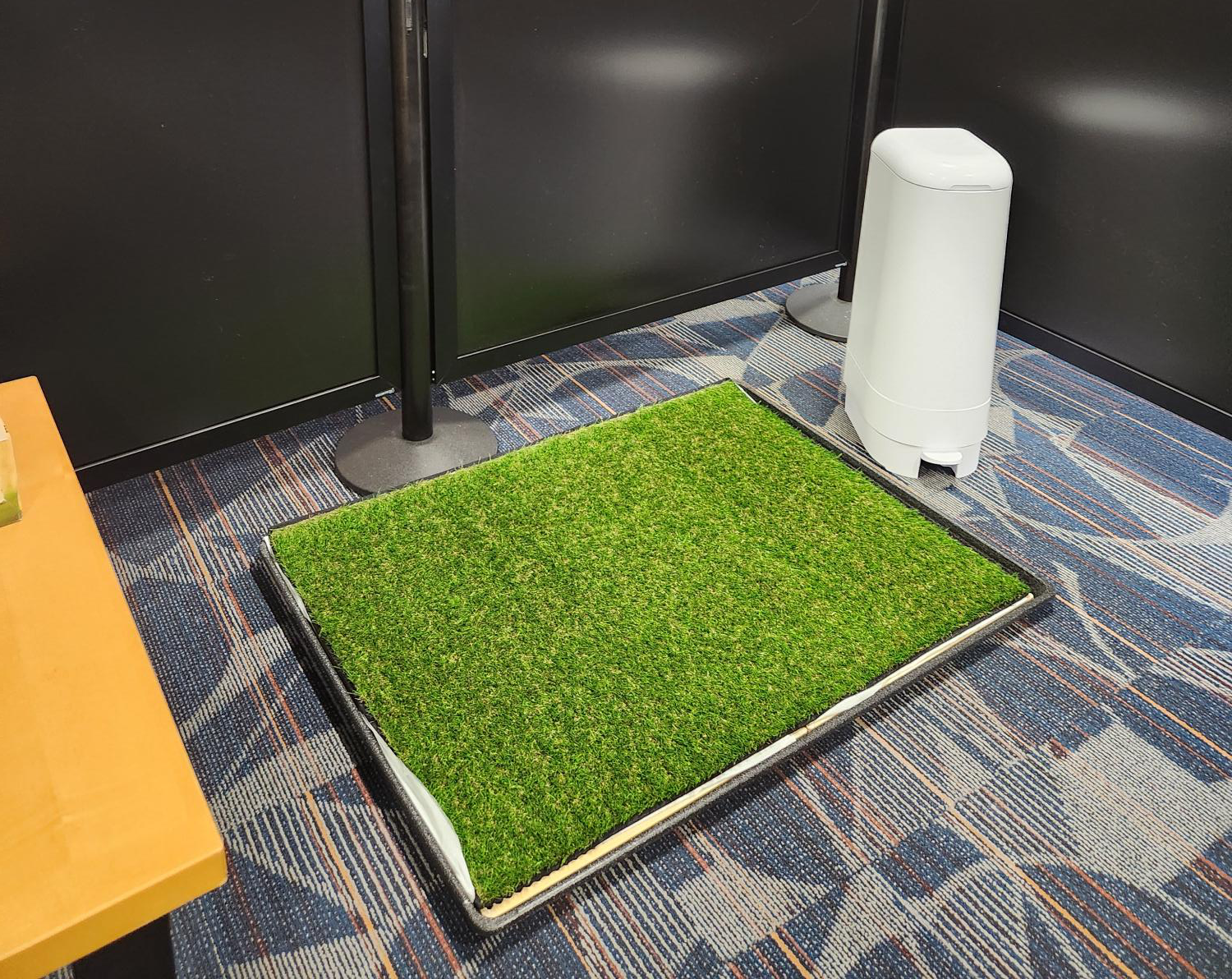
Creating Comfort for Traveling Pets and Service Animals: Petcentric Innovation at Richmond International Airport Traveling can be stressful for both humans and their furry companions, especially when stuck in places like airports for extended periods. One of the biggest concerns for pet owners is ensuring their beloved animals have a comfortable and safe space to […]
The Difference Between Magnetic Base Stanchions: Visiontron vs. the Rest
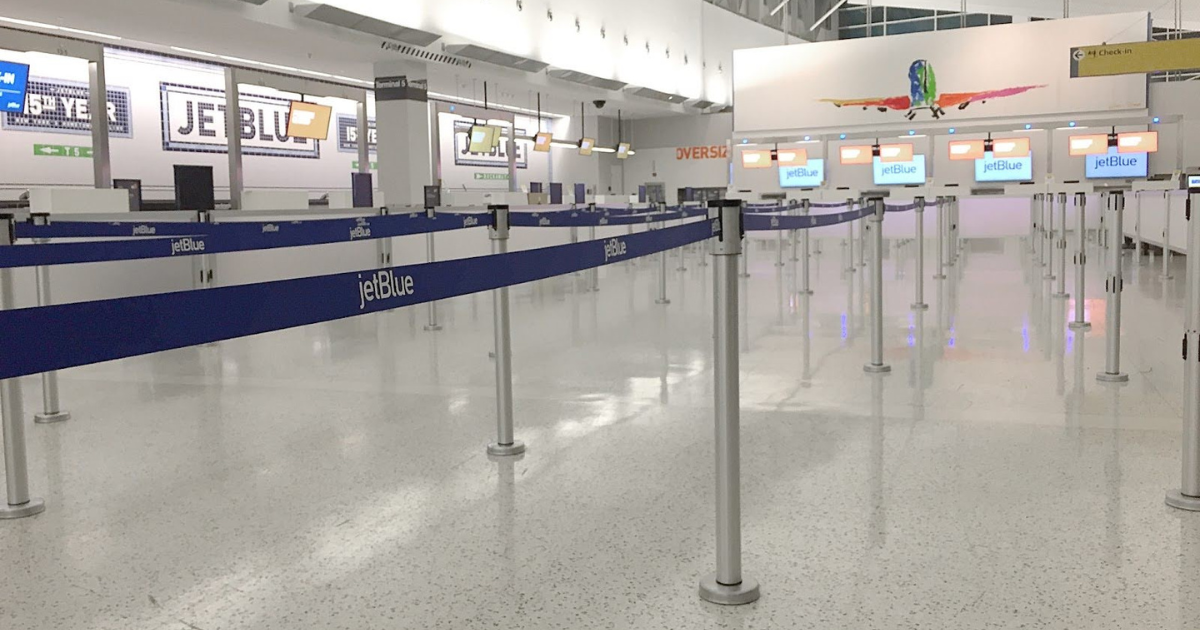
The Difference Between Magnetic Base Stanchions: Visiontron vs. the Rest When it comes to crowd control and line management, magnetic base stanchions have become increasingly popular for their ease of use and versatility. But not all magnetic bases are created equal. Let’s explore the differences between Visiontron’s magnetic base stanchions and others on the market, […]
Tall Signage for Efficient Crowd Control in Large Venues
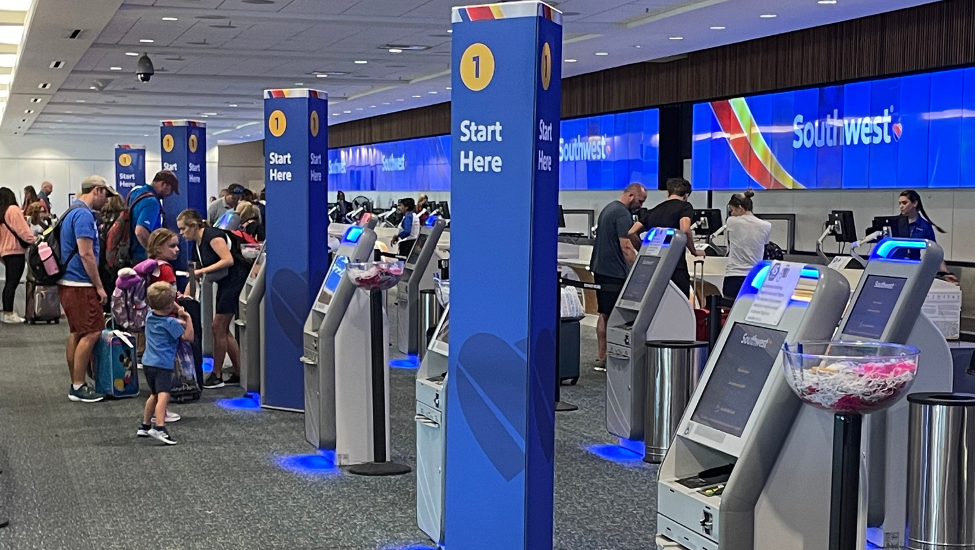
Tall Signage for Efficient Crowd Control in Large Venues We understand the challenges of managing large crowds and ensuring safety and order in venues such as sports stadiums, convention centers, airports, and transportation terminals. Let us present you with a solution for efficient crowd control in these environments – tall signage. With reliable and high-quality […]
The Importance of Dual Line Belts, Beams and Panels for ADA Compliant Queues
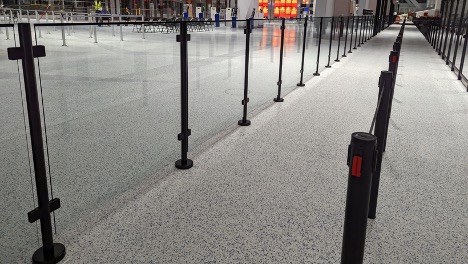
The Importance of Dual Line Belts, Beams and Panels for ADA Compliant Queues As a business or organization that welcomes and accommodates the public, it will be on your list of responsibilities to make your environment ADA compliant. While most might not think twice about the line they wait on for coffee in the morning, […]
ADA Compliance for Queues: The Importance of Spacing, Layout and Design
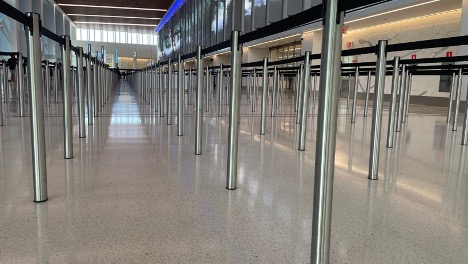
ADA Compliance for Queues: The Importance of Spacing, Layout and Design Queues, or lines, are a part of our daily lives. From waiting for our morning coffee to entering a concert venue, queues are a common occurrence for us in various settings. But, for individuals with disabilities, navigating through queues can often be challenging. This […]
Get the Most Out of Your Queue Lines: Tips & Tricks for Happier Customers
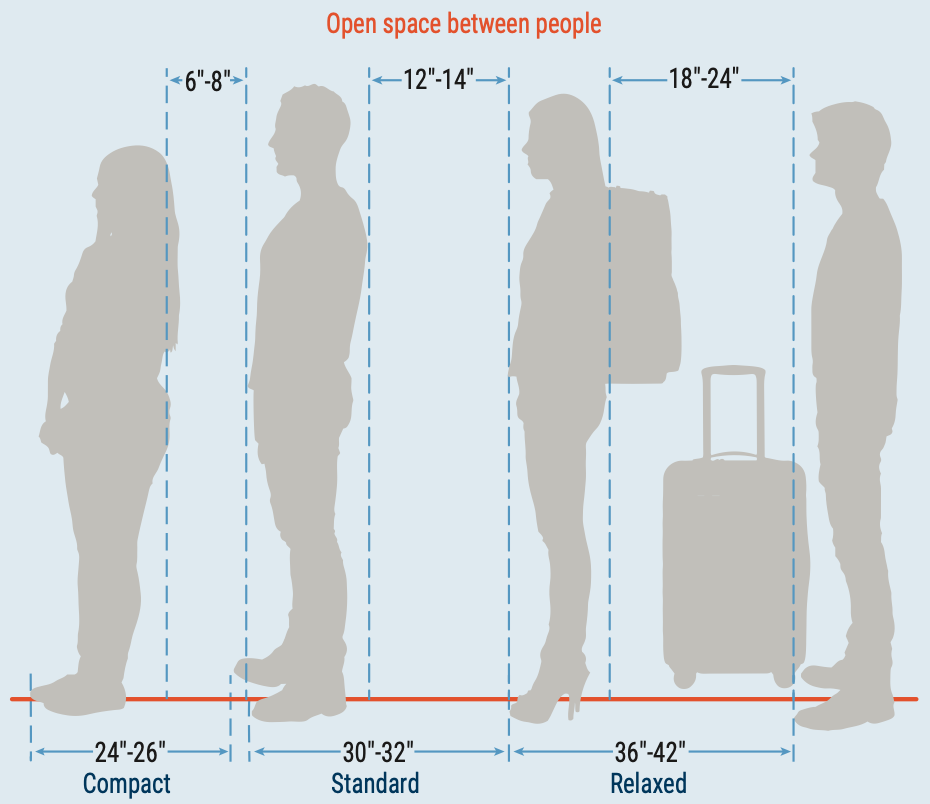
A well planned and maintained queue can be the difference between satisfied guests and those who leave with a feeling of dissatisfaction. Below is a selection of “tricks-of-the-trade” we have compiled for you to help you create better queue lines. Plan for Personal Space [1] The first step to setting up a queue is to […]
Customized Rolling Walls Meet Unique Needs of Multiple Clients

Customized Rolling Walls Meet Unique Needs of Multiple Clients At Visiontron, we pride ourselves on our ability to provide customized solutions to meet the unique needs of our clients. Our team of skilled engineers is always up for the challenge and can design and manufacture custom solutions from an existing item or from concept to […]
Queue Management at Newark International Airport’s New Terminal A
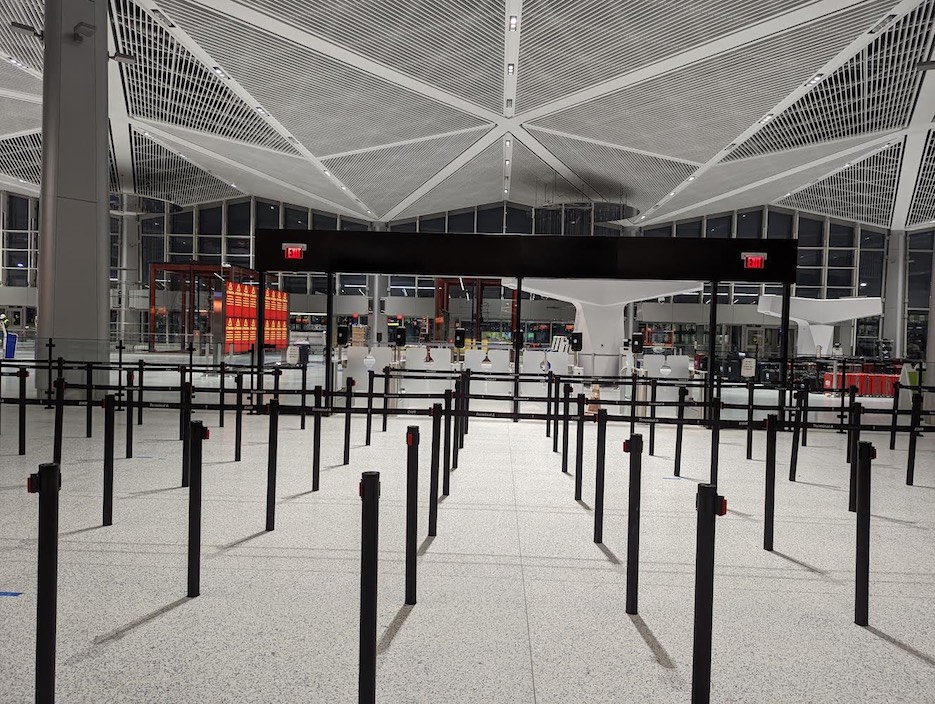
On November 15th, 2022, The Points Guy released jaw-dropping photos of Newark International Airport’s brand new Terminal A. The airport, previously known for a passenger experience that left much to be desired, was overhauled by the largest investment, $2.7B, the Port Authority has ever made. Now occupied by state-of-the-art technology, modern amenities, and streamlined processes […]
Visiontron’s Custom Walk Under Signs Provides LiveNation With Attention Grabbing Signage.

Tired of waiting in long lines/queues to see a concert, show or event? Live Nation thought so too! So they created Fast Lane: Prepay your way to faster entry. Great idea with one problem, no one knew where to go when they arrived. That’s where Visiontron® came in. With a specific set of criteria and […]
Visiontron’s Custom Q-Panel Post and Panel System Serves Delta One’s Elite LAX Clientele
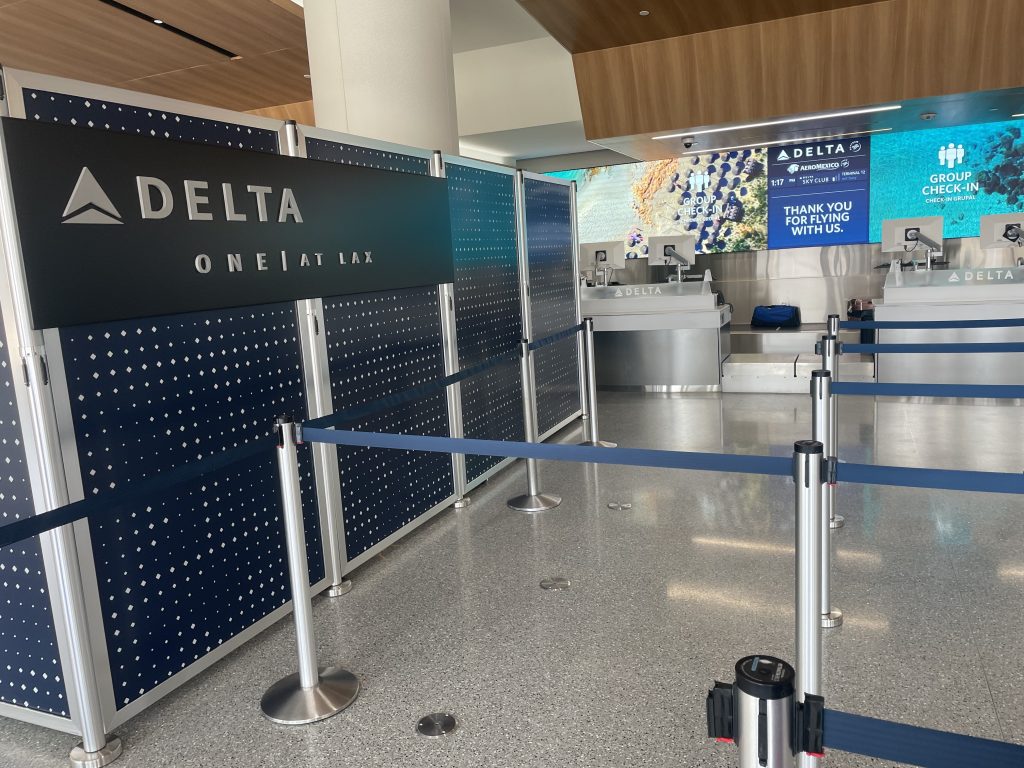
Booking a Delta One flight comes with a ton of perks and that’s why the airline required an exclusive check-in experience from day one when unveiling their brand new Terminal 3 at Los Angeles International Airport (LAX). Delta Airlines partnered with Visiontron to create a temporary Delta One Check-in Lounge using our Custom Post and […]